MOHS Surgery
Mohs surgery is a procedure used to treat skin cancer
FAQs
What is Mohs surgery?
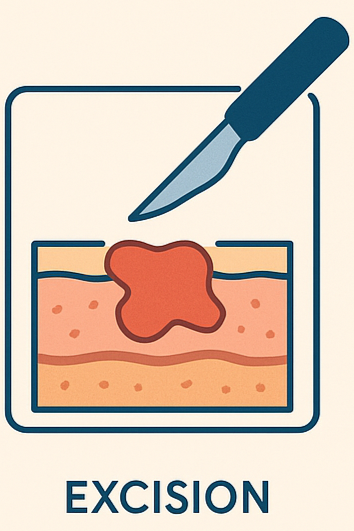
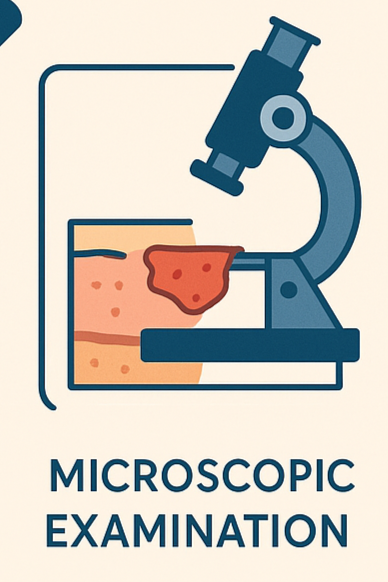
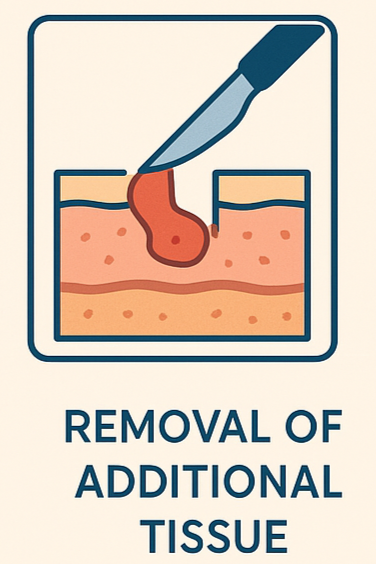
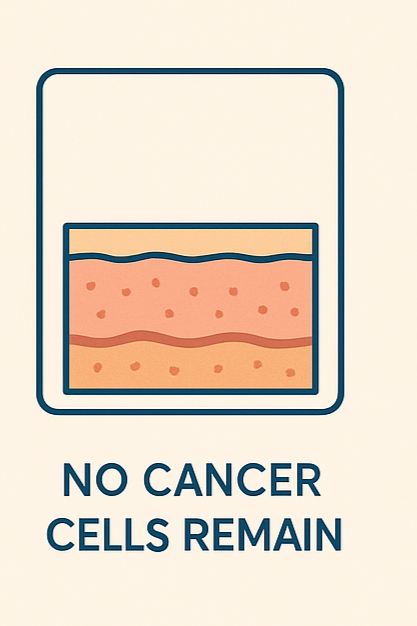
Mohs surgery is a procedure for removing skin cancer one thin layer at a time. Each layer is examined under a microscope the same day, so the surgeon knows whether any cancer remains before the wound is repaired.
Why choose Mohs over other treatments?
It has very high cure rates for the common skin cancers it treats, and it removes as little healthy skin as possible. That matters most on the face, ears, nose, lips, hands and other areas where appearance and function are important.
What conditions does Mohs treat?
It is mainly used for basal cell and squamous cell carcinoma, and sometimes for other skin cancers and certain early melanomas. Dr. Alonso decides whether Mohs is right for your diagnosis after reviewing your biopsy.
How should I prepare?
Eat a normal meal, take your usual medicines unless told otherwise, and wear comfortable clothing that buttons or zips in front. Avoid makeup and lotion on the area. We give specific instructions when you schedule.
How long will it take?
Plan for most of the day. Each layer must be processed and examined while you wait, and a typical case takes one to three layers. Some patients finish in a few hours, and others take longer. You must be prepared to be here 2-3 hours. You stay awake and receive local numbing medicine. You may feel pressure or a pinch when it is given, but not pain during the surgery. Usually yes, unless the surgery is near your eye or you received a sedative. Having someone drive you is the safer choice.
How will the wound be repaired?
It all begins with an idea. Maybe you want to launch a business. Maybe you want to turn a hobby into something more. Or maybe you have a creative project to share with the world. Whatever it is, the way you tell your story online can make all the difference.
What do I need to do after MOHS?
Recurrence after Mohs is uncommon, but you are at higher risk for new skin cancers. Regular skin checks and daily sunscreen are important. Yes. We schedule a check for wound healing, and a full-body skin exam is recommended regularly after a skin cancer diagnosis.